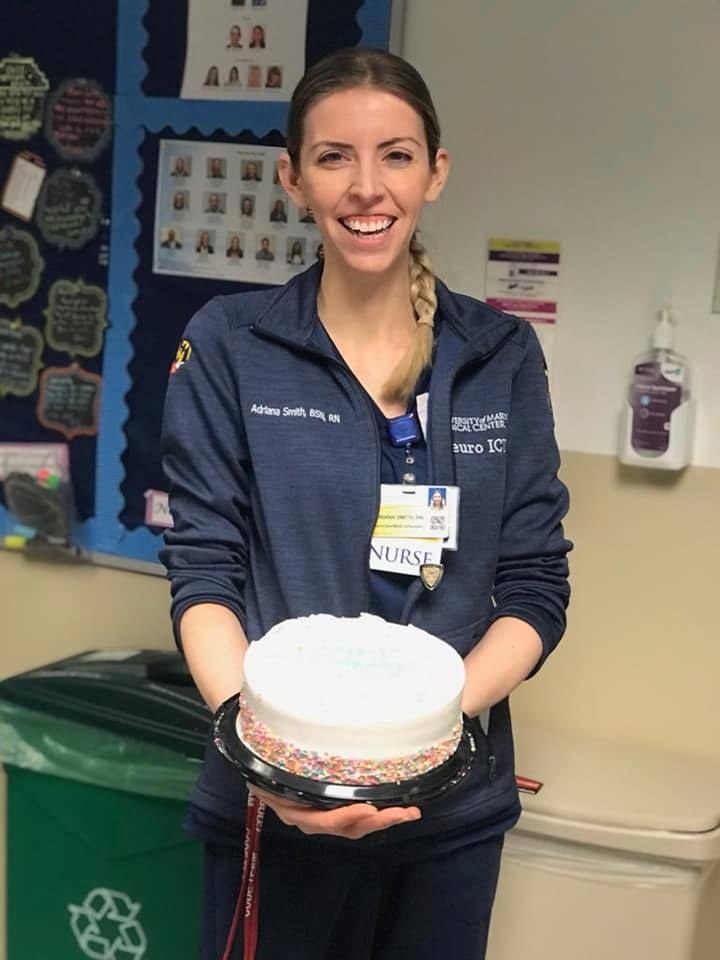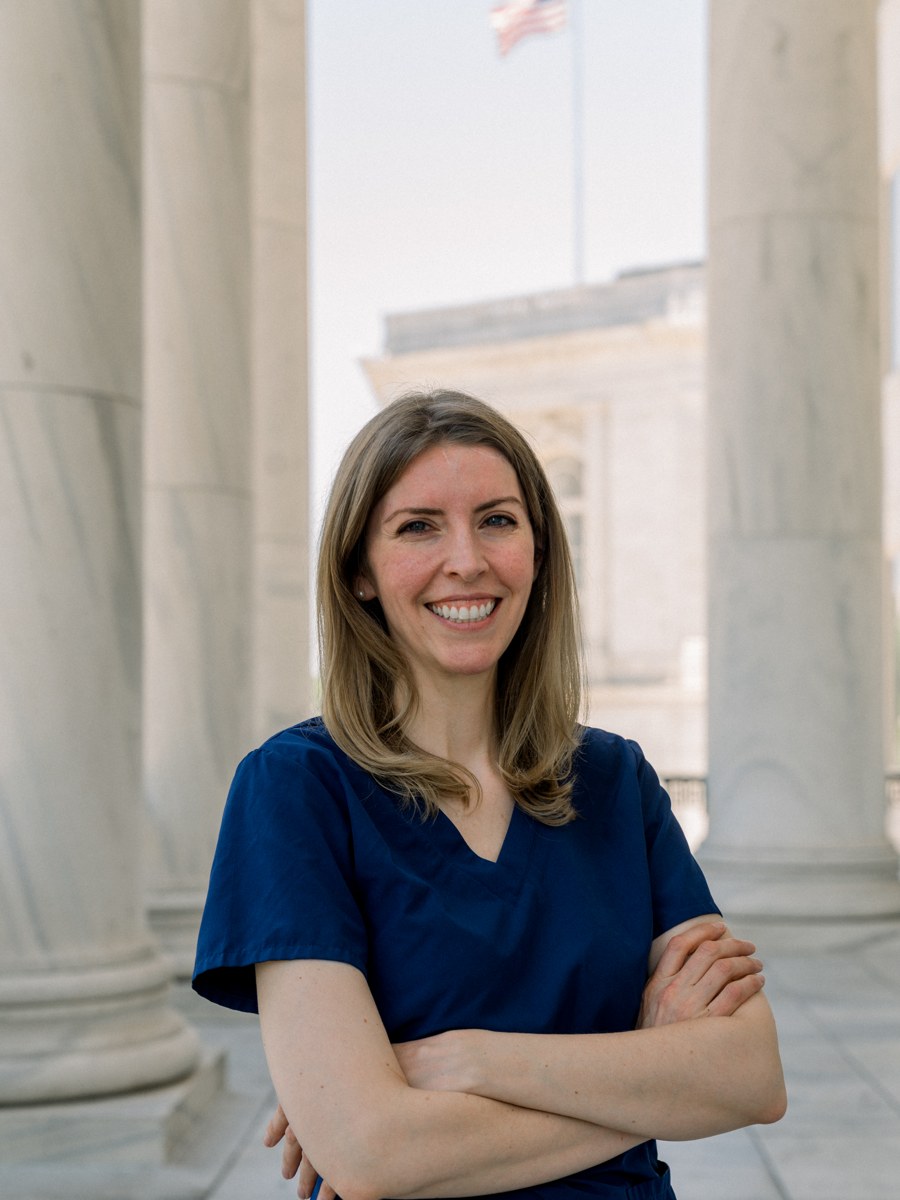
I spent nine years in the ICU, the ER, and the OR before I sat down to build Kinvera. What I saw across those years is the reason this exists.
Kinvera started in the ICU. Over years of critical care nursing, I watched the same scene play out at every bedside. A patient was in crisis. Their family was scrambling to fill in a history nobody had ever sat down to write. Sometimes nobody knew which side a condition came from. Sometimes the year of a diagnosis was a guess. It was always more chaotic than it needed to be, and the people who needed the information most were the ones who could not get it in the moment. The information almost always existed somewhere. It just had never been written down in one place.
The pattern was hard to miss once I started looking for it. We screen for the things we know to screen for, and we catch the things our doctors think to ask about. Family history, the single strongest predictor of inherited disease risk, was the part of the intake form that everyone filled out from memory, in five minutes, in a paper gown, the year of every diagnosis a rough guess.
So I built it for my own family first. We are spread across Maryland, California, Utah, Florida, and New Jersey. None of us could have told you, off the top of our heads, what conditions ran on which side. We had pieces. My mother knew her mother's history. My father knew his. Nobody had ever put it together into one document any of us could actually use.
Once I had a working version, I started asking other families if they wanted one. Every single person said yes. Nobody refused, and nobody told me they already had this handled. That is when I knew Kinvera was not a niche product for clinically-curious people. It was a layer of preventive care that the entire system has been skipping.
The version of this product I would have wanted, ten years ago, the first time I helped a family fill out a code status form while their parent was dying, is the version I am building now.
Family health history is one of the strongest predictors of disease risk we have. It belongs to all of you, not buried in one person's chart.
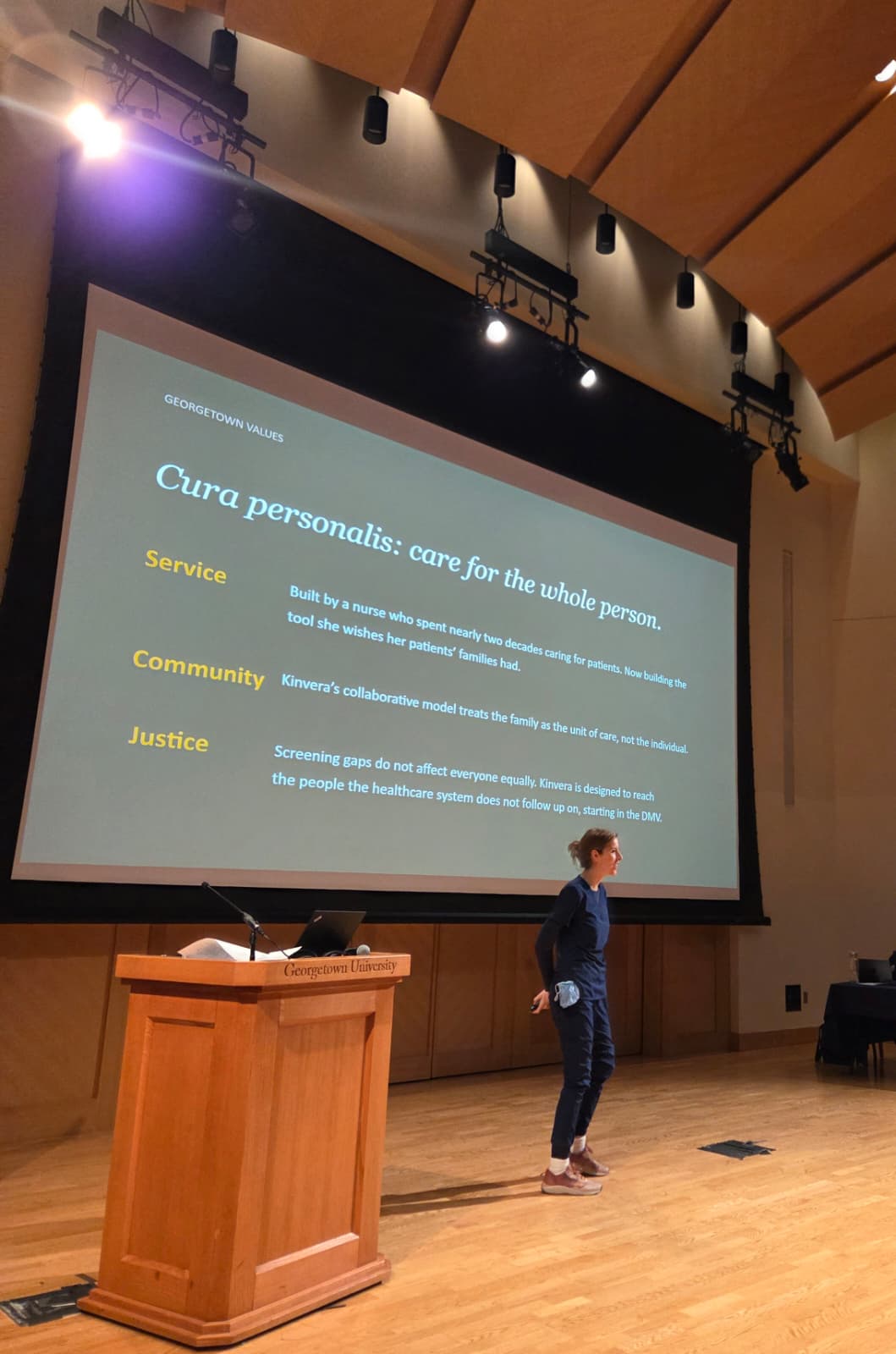
Kinvera is the product. The conversation is the larger project. I lead nurse-led preventive health seminars for community groups across the Mid-Atlantic, covering cancer, heart health, diabetes, bone health, and the family history modifiers that change every one of those screening conversations.
If your organization wants a clinical seminar, myself or one of our nurses would love to come speak.
See speaking and seminarsAdriana Puram, RN, BSN, CCRN, has spent the last two decades in healthcare, with 9 years of clinical nursing experience across ICU, ER, and OR settings. She earned her BSN at the University of Maryland and MBA at Georgetown University. She currently serves as the Nurse Director of a surgery center in Maryland.
These are not marketing principles. They are the decisions the product is built around, and the ones I will not compromise on.
Family history changes when you should start screening, and how often. It can shift the entire list of conditions that even belong on your radar. Generic guidelines treat everyone the same. Yours should not be generic, and the product is built so they will not be.
No single person holds the full picture, and asking one person to be the family historian has never worked. Kinvera is built for asynchronous contribution from anyone who has a piece of the story. The whole family ends up with the same map.
USPSTF. American Cancer Society. ACC. AHA. NCCN. We show you the guideline, the triggering relative, and the condition behind every recommendation in the product. No black boxes. See exactly where our guidelines come from.
Our clinical guideline monitoring runs continuously, but the changes are reviewed by a registered nurse before they reach you. Right now, that nurse is me. As we scale, the role scales with us. Clinical safety is not something the algorithm gets the last word on.
Map yours in five minutes. Start free, no card required to begin.
Start your map